
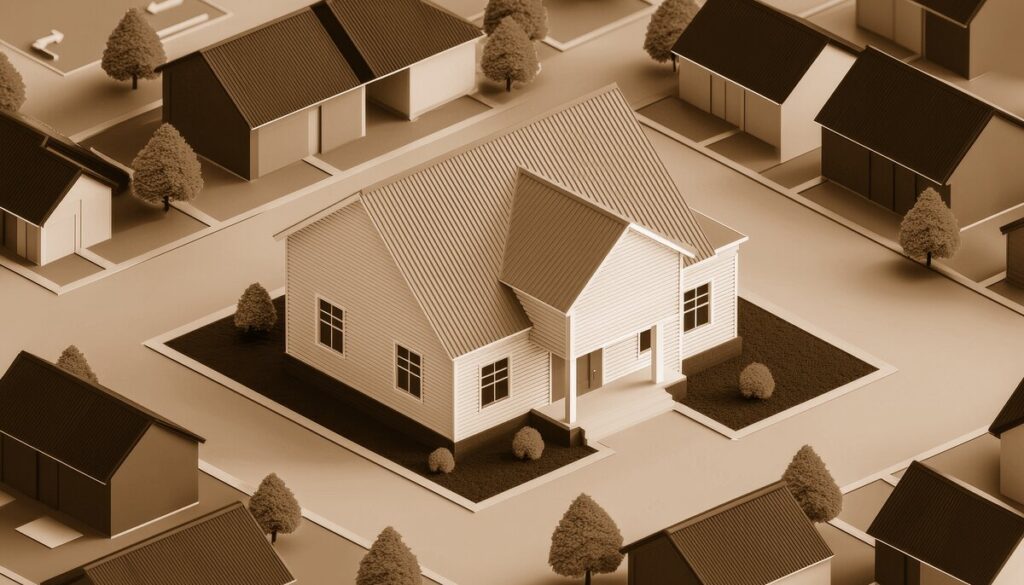
Nestled in the northeast corner of Columbia, MD, the Huntington neighborhood offers more than tree-lined streets and welcoming homes—it embodies a rich, evolving tapestry of local history and community values. For many, Huntington is not just a place to live; it’s a place to belong, with stories echoing from its very foundations. Let’s take a journey through Huntington’s past, exploring its origins, cherished landmarks, and the threads that have woven it into the vibrant neighborhood it is today.
The Origins: From Farmland to Columbia’s Vision
Huntington’s story begins well before its first houses were built. In the early 20th century, the area that would become Huntington was mostly rolling farmland and woodlands. The transformation began in the late 1960s, when visionary developer James W. Rouse and The Rouse Company set out to build Columbia—a planned community that would foreground inclusivity, modern living, and harmony with nature.
As one of Columbia’s earliest residential villages, Huntington’s development took shape between the 1970s and 1980s, following Rouse's ambitious plan to combine walkability, open space, and a sense of neighborhood. The woods that once blanketed the area were respected—mature trees still frame many streets—making Huntington distinct for its bucolic atmosphere despite the growth all around.
Why "Huntington"? The Name Behind the Neighborhood
Local lore holds that Huntington was named to reflect the area’s once-rural character, evoking images of nearby hunting grounds and the tranquil countryside that first defined Howard County. Though no famous ‘Huntington’ figure is tied to the name, it fits neatly with Columbia’s tradition of naming villages and neighborhoods after themes found in literature and regional history.
Huntington Road, one of the neighborhood’s main arteries, anchors this identity and is one of the first signs welcoming visitors and residents.
Key Historical Milestones
Over the last fifty years, Huntington has marked several milestones:
- 1973: The first families move into Huntington, joining the broader Columbia experiment.
- 1982: Huntington Community Center opens on Clocktower Lane, quickly becoming a hub for gatherings and celebrations.
- 1990s: Expansion brings in new townhomes and single-family houses, as well as enhanced pedestrian pathways.
- 2010: Renovations focus on sustainability, upgrading older homes and public spaces to prioritize energy efficiency and green living.
These milestones mirror Columbia’s growth pains and triumphs, with Huntington always adapting to changing needs while retaining its small-town warmth.
Landmarks and Noteworthy Streets
Stroll through Huntington, and you’ll notice certain places where the past feels present:
- Huntington Neighborhood Center (Clocktower Lane): In the heart of the community, this facility hosts everything from birthday parties to town hall meetings—creative classes, childcare programs, and annual Halloween parades are especially beloved.
- Phelps Luck Elementary School (Phelps Luck Drive): Opened to serve the burgeoning young families of Huntington, this school remains a bedrock of learning and neighborhood pride.
- Huntington Park (off Tamar Drive): A leafy retreat for outdoor recreation, Huntington Park is cherished for its walking paths, tennis courts, and playgrounds, hosting countless weekend family picnics since the 1980s.
- Rouse’s Forest Conservation Area: Small pockets of preserved woodland dot the neighborhood, a lasting legacy of the original planning ethos.
Some of the neighborhood’s winding streets hint at its history: High Tor Hill and Middlewater’s Edge loop past some of the earliest homes, while Misty Wood Way evokes the area’s woodland roots.
Evolution Through the Decades
Huntington’s evolution is a reflection of that unmistakable Columbia spirit—a constant blending of heritage with forward-thinking ideals.
- 1970s–1980s: Huntington welcomed pioneering Columbia families, many drawn by the diversity and openness that were radical for the time. Original houses on streets like Rock Coast Road showcase classic 1970s architecture—split-levels, shaded by towering oaks.
- 1990s–2000s: As Columbia grew, so did Huntington. Additional townhomes and updated single-family residences gave the neighborhood a more eclectic, modern feel. Community block parties and neighborhood-wide projects cemented Huntington’s status as a multigenerational enclave.
- 2010s to Today: Investment in community green spaces, sidewalks, and accessibility features reflects a commitment to inclusion and environmental responsibility. Today, Huntington retains an active residents’ association, ensuring voices are heard and traditions maintained.
The Spirit of Community
Walk down Cross Fox Lane on a crisp fall afternoon, and you’ll find neighbors chatting in front yards, kids playing street hockey, and dogs leading their owners toward the parks. There’s a familiarity here—a sense of looking out for each other, built over decades of shared experience.
Longtime residents often reminisce about summer movies at the community center, July Fourth bike parades circling the block, and the tradition of lending a hand to newcomers. The Huntington Facebook group buzzes with event news, lost-and-found posts, and heartfelt advice on everything from reliable babysitters to the best gardens on the block.
Preserving Huntington’s Heritage
Huntington’s journey is ongoing, balancing cherished traditions with the realities of a changing region. Homeowners take pride in restoring original features—like brick facades and generous porches—while new residents infuse the neighborhood with fresh energy.
Part of what makes Huntington so special is its unwavering connection to Columbia’s founding ideals: diversity, stewardship, and neighborliness. While the crops and cow paths of the early 1900s are long gone, a spirit of warmth and possibility endures.
Whether you’re a new arrival or a second-generation resident, Huntington offers the rare sense of roots and renewal. Its leafy streets, playgrounds, and gathering spaces are more than amenities—they’re chapters in a story that continues to unfold, one neighborly welcome at a time.